Trade pacts boost foreign inflows, lift rupee, Indian central bank says
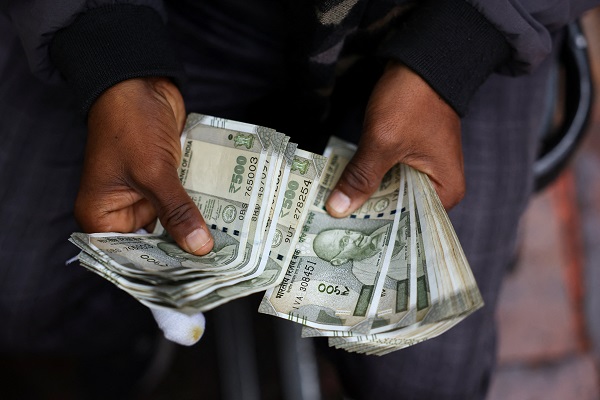
Foreign portfolio inflows and the rupee have strengthened after India's free trade agreement with the European Union and an interim trade deal with the United States, the Reserve Bank of India said in its monthly bulletin on Friday.
Foreign portfolio investment to India recorded net outflows of $5.8 billion between April 2025 and February 3, 2026.
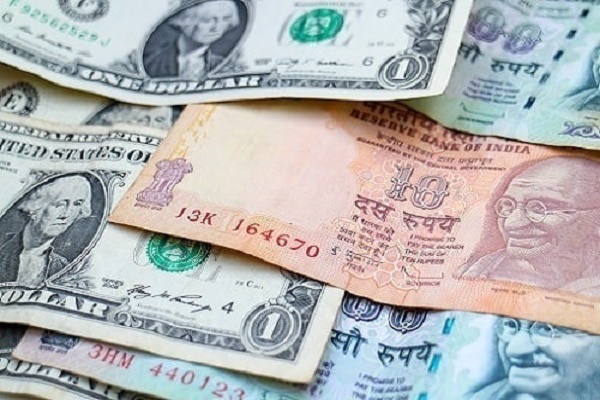
However, the Indian rupee, which depreciated against the U.S. dollar in January amid outflows and uncertainty regarding the India-U.S. agreement, recovered as net foreign portfolio flows turned positive in February.
The central bank acknowledged the government's fiscal commitment, including a lower fiscal deficit target while boosting capital expenditure for economic growth.
In the annual budget, New Delhi reduced the fiscal deficit target to 4.3% of GDP for the next financial year from 4.4% this year, while increasing capital expenditure to a record 12.2 trillion rupees ($134 billion). Additionally, long-term loans to states for capital spending were raised 23%.
"The gradual reduction in the fiscal deficit, combined with a sustained emphasis on capital expenditure, is expected to crowd in private investment and improve productive capacity," the RBI said.
"Support to states for capital investment is also likely to reinforce subnational growth and infrastructure development."
The bulletin reiterated that India's near-term economic outlook remains favourable, backed by high growth momentum, subdued inflation, and a supportive fiscal environment, while inflation is expected to remain near the central bank's target, fostering a positive growth-inflation balance.
($1 = 90.9700 Indian rupees)