Traditional Indian Foods and Their Nutritional Benefits: Exploring the Goodness of India's Culinary Heritage
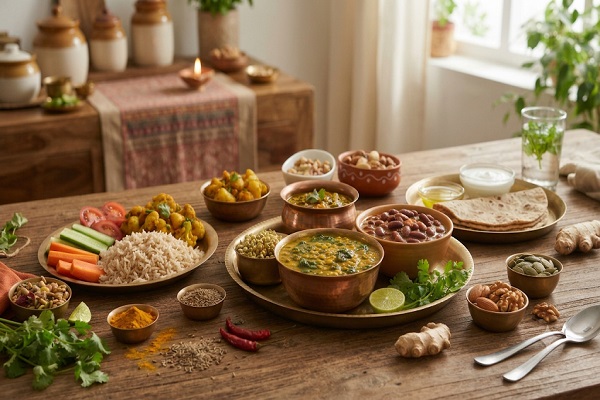
India is known for its rich culinary heritage, diverse food traditions and regional cooking styles. From nutritious millet-based meals to fermented foods, lentils, seasonal vegetables and traditional dairy products, Indian cuisine offers a wide variety of ingredients that contribute to a balanced diet.
Traditional Indian foods are not just valued for their taste but also for their nutritional properties. Many everyday ingredients provide essential vitamins, minerals, fibre, protein and healthy fats that support overall well-being. As people become increasingly interested in healthy eating, traditional Indian dishes are gaining attention for their connection to balanced nutrition and sustainable food habits.
Let's explore some popular traditional Indian foods and their nutritional benefits.
1. Millets: A Nutritious Alternative to Refined Grains
Millets such as jowar, bajra, ragi and foxtail millet have been part of Indian diets for generations. These traditional grains are valued for their nutritional content and versatility.
Nutritional benefits:
Rich in dietary fibre, which supports digestive health.
Provide minerals such as iron, magnesium and phosphorus.
Contain complex carbohydrates that provide energy.
Ragi is particularly known for its calcium content.
Whole millets can contribute to better dietary variety.
Popular millet-based dishes include bhakri, ragi dosa, millet khichdi and bajra roti. Replacing some refined grains with whole millets can be a useful way to improve dietary diversity.
2. Dal: An Important Source of Plant-Based Protein
Dal is one of the most widely consumed traditional Indian foods. Toor dal, moong dal, masoor dal, chana dal and urad dal are common ingredients in Indian households.
These pulses provide plant-based protein and are especially important in vegetarian diets.
Nutritional benefits:
Provide plant-based protein for muscle maintenance and body repair.
Contain dietary fibre that supports digestion.
Supply folate, iron and other essential nutrients.
Offer complex carbohydrates for energy.
Help create filling and balanced meals.
Combining dal with rice, roti or other grains helps provide a variety of essential amino acids.
3. Curd: Supporting Digestive Health
Curd, commonly known as dahi, is a traditional dairy food consumed across India. It is often served with rice, parathas, khichdi and everyday meals.
Curd contains protein, calcium, phosphorus and vitamin B12. Some varieties also contain live cultures that can support gut health.
Nutritional benefits:
Provides calcium for healthy bones and teeth.
Contains protein that supports body functions.
Supplies vitamin B12.
Live cultures in suitable curd varieties may support digestive health.
Offers a refreshing addition to everyday meals.
Buttermilk, raita and plain homemade curd are popular ways to include this food in a balanced diet.
4. Idli and Dosa: Traditional Fermented Foods
Idli and dosa are popular South Indian dishes prepared using fermented rice and urad dal batter. Fermentation changes the batter's properties and helps develop its characteristic taste and texture.
Nutritional benefits:
Provide carbohydrates for energy.
Urad dal contributes plant-based protein.
Fermentation can improve the availability of certain nutrients.
Idli is generally prepared using steaming, requiring little or no added oil.
Pairing these dishes with sambar adds protein, fibre and vegetables.
Idli and dosa are versatile breakfast options that can form part of a balanced meal.
5. Ragi: A Calcium-Rich Traditional Grain
Ragi, also known as finger millet, is an important traditional grain in several parts of India. It is commonly used to prepare ragi roti, porridge, dosa and traditional snacks.
Nutritional benefits:
Contains considerable amounts of calcium.
Provides dietary fibre.
Supplies iron and other minerals.
Contains complex carbohydrates.
Adds nutritional variety to grain-based meals.
Ragi porridge and ragi dosa are popular ways to include this grain in everyday diets.
6. Turmeric Milk: A Traditional Indian Beverage
Turmeric milk, often called haldi doodh, is a traditional beverage prepared using milk and turmeric. Some recipes also include black pepper, ginger or cardamom.
Turmeric contains curcumin, a naturally occurring compound studied for its anti-inflammatory and antioxidant properties.
Nutritional benefits:
Milk provides calcium and protein.
Turmeric contains naturally occurring antioxidant compounds.
Can be a comforting warm beverage.
Provides an alternative to heavily sweetened drinks.
Turmeric milk can be enjoyed as part of a balanced diet, although it should not be considered a substitute for medical treatment.
7. Amla: A Natural Source of Vitamin C
Amla, also known as Indian gooseberry, is widely used in traditional Indian food preparations. It is consumed fresh, dried, pickled or in chutneys.
Amla is particularly valued for its vitamin C content.
Nutritional benefits:
Provides vitamin C, which supports normal immune function.
Vitamin C helps the body absorb iron from plant-based foods.
Contains naturally occurring antioxidant compounds.
Adds variety to fruit consumption.
Can be included in a balanced diet in different forms.
Fresh amla, amla chutney and lightly prepared amla dishes are popular ways to enjoy this fruit.
8. Khichdi: A Simple and Balanced Traditional Meal
Khichdi is a popular Indian dish prepared using rice and lentils, often combined with vegetables and mild spices. Different regions have their own variations of this comforting meal.
Nutritional benefits:
Rice provides carbohydrates for energy.
Lentils supply plant-based protein and fibre.
Vegetables contribute vitamins and minerals.
Its ingredients can be adjusted according to nutritional needs.
It can be prepared with moderate amounts of oil and salt.
Adding vegetables such as carrots, peas, spinach and beans can improve the nutritional variety of khichdi.
9. Sprouted Moong: A Nutrient-Rich Food
Sprouted moong is a popular ingredient in Indian salads, snacks and breakfast preparations. Sprouting involves allowing soaked green gram to germinate under suitable conditions.
Nutritional benefits:
Provides plant-based protein.
Contains dietary fibre.
Supplies folate and other micronutrients.
Sprouting can improve the availability of certain nutrients.
Offers a versatile ingredient for salads and light meals.
Sprouted moong can be prepared with cucumber, tomato, lemon juice and coriander. People at higher risk from foodborne infections should prefer thoroughly cooked sprouts.
10. Ghee: A Traditional Source of Dietary Fat
Ghee has an important place in Indian cooking and traditional food culture. It is commonly added to dal, khichdi, roti and several festive dishes.
Nutritional benefits:
Provides energy through dietary fat.
Helps the body absorb fat-soluble vitamins when included in meals.
Contains small amounts of fat-soluble vitamins.
Adds flavour and richness to traditional recipes.
However, ghee is high in saturated fat. It is best consumed in moderate quantities as part of a balanced diet.
11. Chana: A Good Source of Protein and Fibre
Chana, including black chickpeas and white chickpeas, is widely used in Indian cuisine. It can be prepared as chana masala, kala chana curry, chaat and roasted snacks.
Nutritional benefits:
Contains plant-based protein.
Rich in dietary fibre.
Provides iron, folate and magnesium.
Helps make meals more filling.
Offers a nutritious alternative to some highly processed snacks.
Boiled kala chana with vegetables and lemon makes a convenient and nutritious snack.
12. Traditional Indian Pickles: Flavour with a Nutritional Consideration
Indian pickles are prepared using ingredients such as mango, lemon, chilli, carrot and other vegetables. They are traditionally preserved using salt, oil and spices.
Nutritional benefits:
Certain ingredients provide small amounts of vitamins and plant compounds.
Add flavour to meals, making simple foods more enjoyable.
Some naturally fermented pickles may contain beneficial microorganisms.
Offer variety in traditional regional diets.
However, many commercial and homemade pickles contain considerable amounts of salt and oil. They should be consumed in small portions, particularly by people who need to limit sodium intake.
13. Makhana: A Popular Traditional Snack
Makhana, also known as fox nuts or lotus seeds, is a popular ingredient in Indian households. It is commonly roasted, added to curries or prepared as a sweet dish.
Nutritional benefits:
Provides carbohydrates for energy.
Contains some protein and dietary fibre.
Supplies minerals such as magnesium and phosphorus.
Roasted makhana can be a convenient alternative to some fried snacks.
Roasted makhana with a small amount of ghee and mild spices makes a simple snack option.
14. Jaggery: A Traditional Sweetener
Jaggery, commonly known as gur, is prepared from sugarcane juice or palm sap. It is used in traditional sweets, laddoos and regional food preparations.
Nutritional benefits:
Provides carbohydrates and energy.
May contain small amounts of minerals, depending on processing.
Adds a distinctive flavour to traditional recipes.
Despite its traditional reputation, jaggery is still an added sugar and should be consumed in moderation. It is not a treatment for anaemia or iron deficiency.
15. Traditional Indian Green Vegetables
Indian cuisine includes a wide variety of leafy vegetables such as spinach, methi, amaranth and drumstick leaves. These vegetables are commonly prepared as sabzi, dal, paratha and other regional dishes.
Nutritional benefits:
Provide dietary fibre.
Supply vitamins A, C and K in varying amounts.
Contain folate and minerals such as iron.
Contribute plant-based antioxidant compounds.
Support a varied and balanced diet.
Including different seasonal green vegetables in everyday meals is a simple way to improve nutritional diversity.
How to Include Traditional Indian Foods in Your Daily Diet
A balanced diet does not require complicated ingredients or expensive products. Traditional Indian foods can be included through simple meal combinations.
Here are some practical ideas:
Breakfast:
Vegetable poha with peanuts.
Idli with sambar.
Ragi dosa with chutney.
Vegetable upma.
Lunch:
Dal, rice and seasonal vegetables.
Jowar or bajra bhakri with vegetable sabzi.
Curd with a balanced thali.
Chana or rajma with rice.
Evening Snacks:
Roasted makhana.
Sprouted moong salad.
Roasted chana.
Fresh seasonal fruits.
Dinner:
Vegetable khichdi.
Dal with roti and green vegetables.
Millet-based roti with curd.
Light vegetable preparations with pulses.
Why Traditional Indian Foods Are Gaining Attention Again
Traditional Indian foods are receiving renewed interest as consumers look for nutritious, affordable and locally available ingredients.
Several factors are contributing to this growing interest:
Focus on Whole Foods: People are exploring less processed ingredients such as millets, pulses, vegetables and seasonal fruits.
Growing Interest in Plant-Based Nutrition: Lentils, chickpeas and beans provide useful protein sources for vegetarian diets.
Regional Food Awareness: Traditional recipes are helping people rediscover local ingredients and cooking practices.
Sustainable Eating Habits: Locally grown seasonal foods can support regional food systems.
Interest in Gut Health: Fermented foods such as idli, dosa and certain traditional pickles are attracting attention for their fermentation process.
Conclusion
Traditional Indian foods offer a diverse combination of nutrients, flavours and culinary traditions. From protein-rich dals and fibre-containing millets to calcium-rich ragi, seasonal vegetables and fermented dishes, these foods can contribute to a healthy and balanced lifestyle.
The nutritional value of a meal depends on its ingredients, preparation methods, portion sizes and overall dietary pattern. Including a variety of traditional foods while limiting excessive salt, added sugar and unhealthy fats can help create sustainable eating habits.
India's culinary heritage demonstrates that nutritious eating can be both delicious and deeply connected to local culture. Rediscovering traditional Indian foods is a meaningful way to bring variety, nourishment and balance to everyday meals.