What Makes a Car Convenient in Heavy City Traffic?
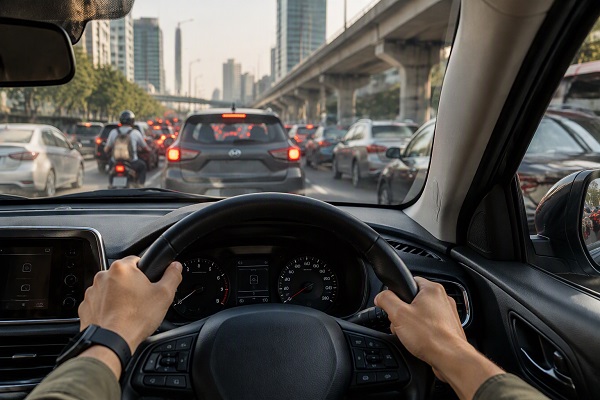
Driving in heavy city traffic is very different from cruising on an open highway. In crowded streets, a car is constantly dealing with frequent braking, tight gaps, pedestrians, speed breakers, parking challenges and slow-moving traffic. Because of this, convenience often matters more than outright power or top speed.
One of the biggest advantages in city traffic is a compact size. A car that is easy to place on narrow roads can make daily driving much less stressful. Smaller dimensions also make parking easier, especially in crowded markets, residential areas and tight parking spaces.
Visibility is another important factor. A driver needs to clearly judge the front corners, side areas and rear of the car when moving through traffic. A good seating position, large mirrors and useful camera or sensor systems can make this easier.
The gearbox also plays a major role. Automatic transmissions can reduce the constant clutch-and-gear work that comes with stop-and-go traffic. This can be particularly convenient for people who spend long periods commuting through congested roads.
Steering weight matters too. Light and predictable steering can make repeated turns, U-turns and parking manoeuvres easier. A car does not need extremely sharp handling for city use, but it should respond without requiring unnecessary effort.
Ride comfort is equally important. City roads can include potholes, speed breakers and uneven surfaces, so suspension that can absorb smaller imperfections helps keep the driving experience comfortable. A car that feels too stiff can become tiring when used every day.
Braking behaviour also affects convenience. Smooth and predictable brakes make it easier to control the vehicle during repeated stops. In heavy traffic, drivers may need to brake dozens of times during a single journey, so consistent pedal response is useful.
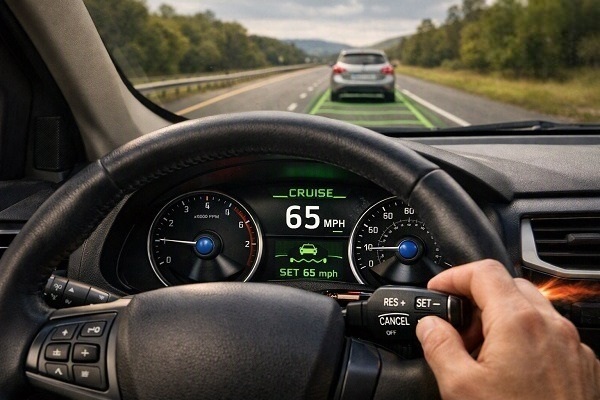
Features such as parking sensors, a rear-view camera and a 360-degree camera can add another layer of convenience. These systems can help the driver judge tight spaces and obstacles, particularly in crowded parking areas.
Air conditioning is another feature that becomes especially important in city driving. Because traffic can keep a vehicle moving slowly for long periods, an effective cooling system can make commuting considerably more comfortable during hot weather.
Fuel efficiency also deserves attention. A car that is economical in real-world stop-and-go conditions can reduce the cost of frequent commuting. However, claimed mileage figures may differ from actual results depending on traffic, driving style, road conditions and air-conditioning use.
Good cabin storage can make a surprising difference as well. Convenient door pockets, cup holders and usable compartments give drivers and passengers places to keep everyday items without cluttering the interior.
Ultimately, the most convenient city car is not necessarily the most powerful or feature-loaded one. Ease of driving, visibility, manageable dimensions, smooth controls, comfortable suspension, efficient cooling and practical features can matter far more in everyday congestion.
For someone who spends a large part of the day driving through busy urban roads, these small conveniences can add up to a much more relaxed ownership experience.