Why Balanced Meals Matter More Than Perfect Meals

Healthy eating is often presented as a search for the “perfect” diet. People may focus on eating only clean foods, avoiding certain ingredients completely, or following strict meal plans. In reality, a healthy diet does not need to be perfect every day. What matters more is building balanced meals consistently over time.
A balanced approach allows people to get important nutrients while still enjoying food and adapting to different routines.
Balance Is About Variety
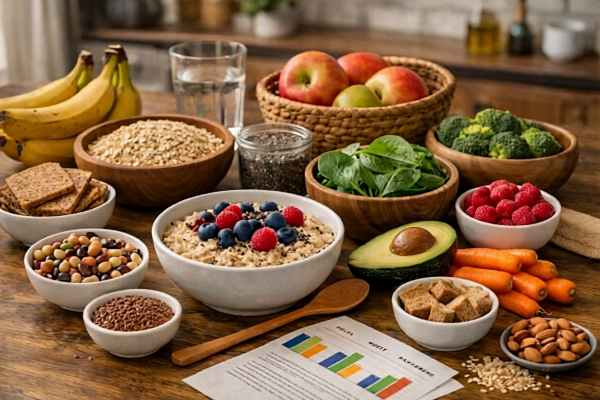
A balanced meal generally includes a combination of carbohydrates, protein, healthy fats, fibre and a variety of vitamins and minerals. Different foods provide different nutrients, so relying heavily on just one type of food can make a diet less varied.
For example, a meal built around grains or other carbohydrate sources can be paired with vegetables, pulses, dairy or other protein-rich foods and a source of healthy fat. This creates a more complete meal without requiring complicated rules.
Perfect Eating Is Difficult to Maintain
Strict food rules can work for a short period but may become difficult to follow in everyday life. Work schedules, travel, social occasions and family meals can all change what is available.
Expecting every meal to be ideal can also create unnecessary guilt when plans do not go perfectly. A balanced approach leaves room for flexibility while keeping overall eating habits on track.
One Meal Does Not Define Your Diet
Eating one heavy meal or having an occasional treat does not automatically make a diet unhealthy. Overall dietary patterns are more important than judging individual meals in isolation.
Someone might have a less balanced lunch because of a busy workday and still eat a nutritious dinner. Looking at food choices across the day or week gives a more realistic picture of eating habits.
Balanced Meals Can Support Satiety
Combining different food groups can also make meals more satisfying. Protein and fibre, for example, can contribute to fullness, while carbohydrates provide an important source of energy.
A meal that contains several complementary food groups may therefore be easier to sustain than a meal built around a single food category.
Flexibility Makes Healthy Habits Easier
Healthy eating needs to fit into real life. A balanced mindset allows people to adjust meals based on what is available, what they enjoy and what their schedule permits.
This is especially useful for people who eat away from home frequently. Instead of trying to find a “perfect” option, they can simply look for a reasonably balanced choice.
Focus on Patterns, Not Perfection
The most useful question is not whether every meal is perfect. It is whether your overall eating pattern regularly includes a good variety of foods.
Over time, consistent balanced choices are usually more practical than constantly trying to follow an ideal meal plan. The goal is to create eating habits that can continue for months and years, rather than rules that become difficult to maintain.
A Practical Way to Think About Meals
Instead of worrying about perfection, consider whether your meal includes a useful mix of nutrients and enough variety. Add vegetables or fruit where possible, include a protein source, choose an appropriate carbohydrate source and use healthy fats in sensible amounts.
There will still be days when meals look different. That is normal.
The Bigger Picture
Good nutrition is not about achieving a flawless plate every time you eat. It is about creating a pattern of balanced choices that works with your lifestyle.
A meal does not have to be perfect to be useful. When healthy eating becomes flexible, varied and realistic, it becomes much easier to maintain as a long-term habit.