Why Correct Tyre Pressure Matters
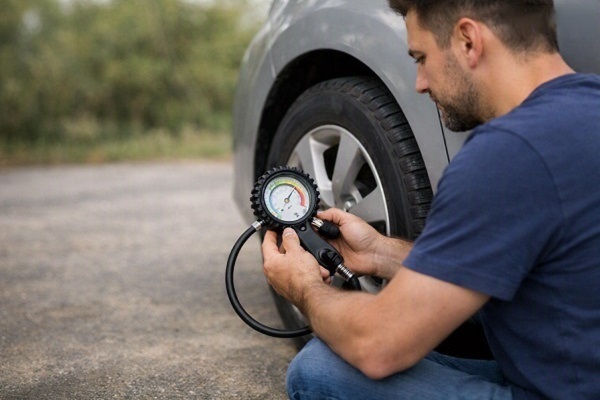
Tyre pressure is one of the simplest things a vehicle owner can check, yet it is often overlooked. Maintaining the recommended tyre pressure can improve safety, fuel efficiency, tyre life and overall driving comfort.
Whether you drive a car or a motorcycle, keeping the tyres properly inflated should be part of your regular maintenance routine.
1. Improves Road Safety
Correct tyre pressure helps the tyres maintain proper contact with the road.
Underinflated or overinflated tyres can affect handling, braking and stability, particularly during sudden manoeuvres or emergency braking. Maintaining the manufacturer-recommended pressure helps the vehicle respond more predictably.
2. Helps Improve Fuel Efficiency
Tyres that are underinflated create greater rolling resistance. This means the engine has to work harder to move the vehicle.
As a result, driving with low tyre pressure can increase fuel consumption. Keeping the tyres at the recommended pressure can help the vehicle operate more efficiently.
3. Reduces Uneven Tyre Wear
Incorrect pressure can cause tyres to wear unevenly.
Underinflation can increase wear toward the outer portions of the tread, while excessive pressure can contribute to greater wear around the centre. Uneven wear can shorten tyre life and may require earlier replacement.
4. Improves Driving Comfort
Tyre pressure also affects how the vehicle feels on the road.
When pressure is within the recommended range, tyres can absorb road imperfections as intended. Incorrect pressure may make the ride feel unnecessarily harsh or less controlled.
5. Supports Better Handling
Properly inflated tyres help maintain predictable steering and cornering behaviour.
This becomes particularly important when driving at higher speeds, carrying passengers or luggage, or travelling on wet and uneven roads.
6. Helps Reduce the Risk of Tyre Damage
Driving with significantly low pressure can cause excessive flexing of the tyre sidewall. This can generate additional heat and increase the possibility of tyre damage.
Maintaining the correct pressure helps the tyre operate within its intended conditions.
7. Tyre Pressure Can Change With Temperature
Tyre pressure is affected by temperature. Pressure can change as the surrounding temperature changes and as the tyre heats up during driving.
For this reason, it is generally better to check tyre pressure when the tyres are cold and follow the vehicle manufacturer's recommended checking procedure.
8. Check the Manufacturer's Recommended Pressure
The correct tyre pressure is not necessarily the maximum pressure printed on the tyre sidewall.
The recommended pressure for your vehicle is usually provided on a sticker or label, often around the driver's door area, fuel-filler area, or in the owner's manual.
Always follow the vehicle manufacturer's recommendation.
9. Don't Forget the Spare Tyre
If your vehicle has a spare tyre, check its pressure as well.
A spare tyre that has been sitting unused for months can lose pressure. Discovering this only after getting a puncture can create an unnecessary problem.
10. Make Tyre Pressure Checks a Routine
Checking tyre pressure doesn't take much time, but doing it regularly can prevent avoidable problems.
A good routine is to check the pressure periodically and before long trips. Also inspect the tyres for visible damage, cuts, cracks, punctures or unusual wear.
Conclusion
Correct tyre pressure plays an important role in vehicle safety, efficiency, comfort and tyre longevity. Both underinflation and overinflation can create problems, so the goal should always be to maintain the pressure recommended by the vehicle manufacturer.
A simple tyre-pressure check can help you drive more safely, reduce unnecessary tyre wear and keep your vehicle performing as intended.