Why Sleeve Length Changes Shirt Proportions
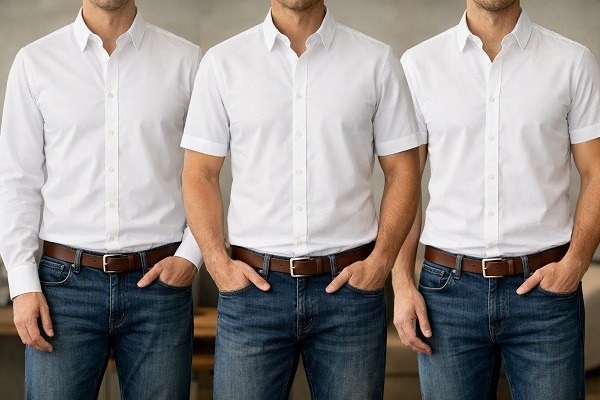
A shirt can have the right size, fabric, and color yet still look slightly off. One reason is sleeve length. Sleeves affect how the shoulders, arms, torso, and cuffs visually relate to one another, which means even a small change in length can alter the overall proportions of an outfit.
Sleeve Length Affects the Visual Balance of the Shirt
A shirt is made up of several connected proportions, including the collar, shoulders, torso, sleeves, and cuffs. When the sleeves are too short or too long, one part of the shirt can appear disproportionate compared with the rest.
For example, very short sleeves can make the upper arm look more exposed and may make the shirt appear smaller than it actually is. Excessively long sleeves can create extra fabric around the wrists and make the shirt look oversized.
Short Sleeves Can Make the Arms Look Longer
When a short-sleeve shirt ends at an appropriate point on the upper arm, it can create a clean visual line. If the sleeves are noticeably shorter, however, more of the arm becomes visible, which can change the perceived proportions of both the arms and the shirt.
The sleeve opening also matters. A very wide opening combined with a short sleeve can make the upper body look broader, while a narrower opening may create a more fitted appearance.
Long Sleeves Can Add Visual Weight
Long sleeves naturally add more fabric to the arms. On a casual shirt, a little extra length can create a relaxed appearance, but too much material can make the shirt look untidy.
On a formal or structured shirt, excessive sleeve length may cause the cuff to sit too low on the hand, making the entire garment appear oversized.
Cuffs Help Define the Correct Length
For long-sleeve shirts, the cuff provides a useful visual reference point. A well-fitting sleeve generally allows the cuff to sit around the wrist rather than significantly above or below it.
The relationship becomes particularly noticeable when wearing a jacket. Shirt cuffs are normally expected to show slightly beyond the jacket sleeve, creating a deliberate layered effect.
Shoulder Fit and Sleeve Length Work Together
Sleeve length should not be considered separately from shoulder fit. A shirt with correctly positioned shoulder seams can still look awkward when the sleeves are too long. Likewise, sleeves of the right length cannot completely fix a shirt with shoulders that are too wide or narrow.
The entire upper portion of the shirt should work together to create a balanced silhouette.
Different Shirt Styles Need Different Sleeve Proportions
A fitted dress shirt, relaxed Oxford shirt, oversized casual shirt, and short-sleeve camp shirt may all use different proportions.
Formal shirts usually benefit from cleaner and more precise sleeve lengths, while casual styles can allow more flexibility. Relaxed or oversized shirts may intentionally use longer sleeves as part of their design.
Body Proportions Also Influence the Effect
The same sleeve length can look different on different people. Arm length, shoulder width, torso length, and overall body proportions all influence how a shirt appears.
This is why simply buying the same size in every brand does not always produce the same result. Two shirts labeled with the same size can have noticeably different sleeve measurements and cuts.
Sleeve Rolling Changes Proportions Too
Rolling up long sleeves changes the visible amount of the arm and can make a shirt feel more casual. The number of rolls and the position of the rolled cuff also influence the appearance.
A neat, even roll generally looks more intentional than loosely pushed-up sleeves.
How to Find the Right Sleeve Length
When trying on a shirt, check the sleeves while standing naturally. Make sure the shoulders sit correctly, the cuffs reach an appropriate position, and there is no excessive bunching around the wrists.
Move your arms as well. A sleeve should provide enough room for normal movement without constantly riding up or creating excessive fabric.
Conclusion
Sleeve length may seem like a small detail, but it has a significant effect on how a shirt looks overall. The right length helps maintain visual balance between the arms, shoulders, cuffs, and torso. Paying attention to sleeve proportions can make even a simple shirt look cleaner, more polished, and better suited to your body and personal style.