Why Some Cars Feel More Stable at Highway Speeds
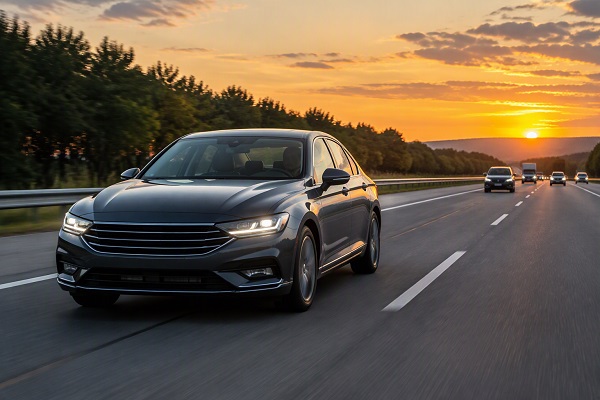
At highway speeds, two cars can travel at the same speed and still feel completely different behind the wheel. One may feel planted and calm, while another may require more steering corrections and feel less reassuring. This difference is not always about engine power. A car’s stability at higher speeds is influenced by several design and engineering factors working together.
One important factor is wheelbase. Cars with a longer distance between the front and rear wheels often feel more settled at highway speeds. A longer wheelbase can make the car’s movements feel less sudden and help it maintain a steady direction when travelling quickly. This does not automatically mean every long-wheelbase car is better, but it can contribute to a more composed driving experience.
Vehicle weight distribution also plays an important role. Engineers try to distribute the car’s weight in a way that keeps its handling predictable. When the weight is properly balanced between the front and rear, the vehicle can feel more controlled during lane changes, curves and sudden steering inputs.
Tyres are another major part of highway stability. Wider tyres, appropriate tyre construction and good-quality rubber can improve the amount of grip available between the car and the road. However, tyre size alone does not guarantee stability. Correct tyre pressure is equally important, because incorrect pressure can change handling and reduce driver confidence.
Suspension tuning also affects how a car behaves at speed. A well-tuned suspension system controls body movement without making the ride unnecessarily harsh. When a car remains composed over uneven surfaces, the driver may need fewer steering corrections. This can make long highway drives feel much less tiring.
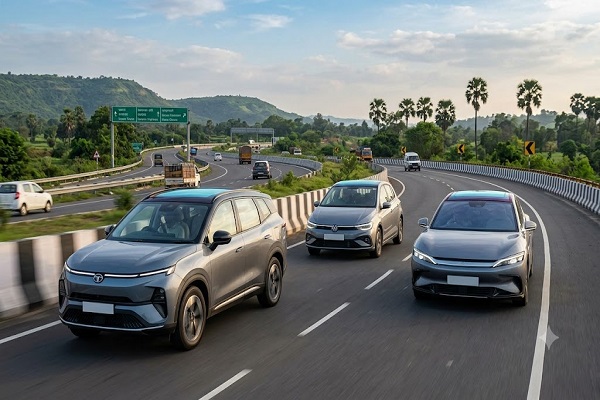
Aerodynamics becomes increasingly important as speed rises. Air flowing around the vehicle creates forces that can influence how stable the car feels. A car with a well-designed body can manage airflow more effectively, reducing unwanted movement caused by wind. This becomes particularly noticeable when driving alongside large trucks or buses, where air pressure can change quickly.
Steering characteristics matter too. Some cars are designed with steering that becomes more stable and predictable as speed increases. A well-weighted steering system can give the driver confidence without requiring constant adjustments. On the other hand, overly light or vague steering may make a car feel less secure even when its actual grip is adequate.
The car’s centre of gravity is another factor. A lower centre of gravity can reduce excessive body movement during cornering and sudden direction changes. This is one reason why some vehicles feel more controlled when making quick highway maneuvers.
Electronic safety systems can also contribute to confidence. Features such as electronic stability control, traction control and advanced driver-assistance systems can help the vehicle remain predictable when road conditions suddenly change. These systems are not a replacement for careful driving, but they can provide an additional layer of support.
Road conditions and wind also make a noticeable difference. Even a very stable car can feel different on rough surfaces, during strong crosswinds or on roads with uneven patches. This is why highway stability should not be judged only by speed. Tyre condition, alignment, suspension health and proper maintenance all influence how the car behaves.
Ultimately, a car that feels stable at highway speeds is the result of many factors rather than a single specification. Wheelbase, weight distribution, tyres, suspension, aerodynamics, steering and electronics all contribute to the experience. For buyers who frequently travel on highways, these characteristics can be just as important as horsepower or the size of the infotainment screen.
A good highway car does not necessarily need to feel sporty or aggressive. Often, the best sign of stability is how naturally the car maintains its direction, absorbs road imperfections and gives the driver a relaxed sense of control.